
Nitya Stotram Teacher Training
Program - Pañcadaśa Stotrāṇi (50hrs)
September 2028 - July 2029
Applications will open in September 2027
INDICA and Veda Studies are delighted to launch the Nitya Stotram Teacher Training Programme, a natural expansion of our chanting teacher training into one of the most important and widely practised forms of Sanskrit devotional literature. This programme is designed for graduates of Level 1 who wish to extend their teaching into the rich body of hymns from the Itihāsa-s and Purāṇa-s.
The Itihāsa-s (the great epics, the Rāmāyaṇa and the Mahābhārata) and the Purāṇa-s (the eighteen Mahāpurāṇa-s and their companion texts) together form the vast narrative literature of the tradition, carrying its stories of the deities, its cosmology and sacred geography, and its enduring vision of dharma and devotion.
From this landscape the stotra tradition emerges as one of the most beloved and continuously living expressions of Sanskrit devotion. Composed across centuries by sages, poets, and ācāryas — and most prolifically by Ādi Śaṅkara himself — these hymns weave together prayer, philosophy, iconography, and prosody into a body of literature that is at once classical in form and devotional in spirit. It is also a recognised and significant strand of Indian Knowledge Systems (IKS), carrying within it the cultural, literary, and devotional inheritance of centuries.
Where Vedic recitation grounds the teacher in the foundations of svara and śīkṣā, the stotra tradition opens the path into deity, story, festival, and the rhythms of the devotional year. Within this programme, the fifteen stotrams will be studied through stotra-sāhitya, Sanskrit prosody (chandas), Itihāsa and Purāṇa literature, and the principal deities of the tradition, so that teachers may refine their recitation and acquire the contextual understanding to teach with clarity, accuracy, and devotion.
The fifteen stotrams (pañcadaśa stotrāṇi): Gaṇapati Stotram, Prātaḥ Smaraṇam, Gurustotram, Lalitā Triśati, Āditya Hṛdayam, Śivamānasa Pūja, Liṅgāṣṭakam, Śivapañcākṣara Stotram, Dakṣiṇāmūrti Stotram, Annapūrṇa Stotram, Mahālakṣmī Aṣṭakam, Hanumān Stuti, Rāmarakṣā Stotram, Devī Kavacam, Narasimha Kavacam.
These fifteen have been chosen to be representative of this literature in both its breadth and its depth: spanning several deities, drawing on a range of genres (stuti, stotram, aṣṭakam, kavacam, triśati), and including texts of major significance, from short and approachable hymns to longer, more demanding compositions. Studied together, they also open a window onto the much wider body of stotra-s that lies beyond what is chanted in this programme.
Dear interested student,
This training will emphasise the depth of understanding required to teach the stotrams with precision, presence, and contextual clarity. A close engagement with the deities, the stories, the prosody, and the textual sources of these hymns will be central to the learning process. Beyond recitation refinement, the programme will focus on the pedagogy of teaching stotra literature — how to convey meaning, story, and devotional spirit to students who come to these texts from a range of backgrounds.
This training will be steady and immersive, designed for teachers who already know the fifteen stotrams of the Nitya Stotram album, building on the foundation of the thirty-five Nitya Prārthanā chants taught in Level 1. It will be conducted online from September 2028 to July 2029.
I am very grateful to offer this in collaboration with INDICA who bring the experience and expertise in the preservation and dissemination of Indic knowledge systems through authentic, immersive and transformative learning experiences.
I hope this curriculum inspires you to deepen your journey as a teacher.
With gratitude,
Shantala Sriramaiah
Program structure
The group will meet online once a month for a weekend session (2 hours each on Saturday and Sunday between September and July. Additionally, there will be a one-hour session on one Friday each month. Each student will also be required to schedule a one-to-one meeting with Shantala to recite a selection of stotram-s. A calendar tool will be made available to facilitate this.
All the dates are published along with the curriculum.

45 contact hours of live online teaching.
10 hours student presentations and or grammar exercises.
One-on-one meeting for each teacher with Shantala.
11 days recitation of various stotram-s for the Veda Studies community as a graduating sādhana (or community events in a different format).
Guest lecture by Dr. Raj Balkaran, Scholar of Indian Narrative Literature.

Dr. Raj Balkaran is a scholar of Sanskrit narrative literature whose work centres on the myths of the Indian Great Goddess and the Sanskrit Epics, with particular focus on the Mārkaṇḍeya Purāṇa and the Devī Māhātmyam. He is the author of The Stories Behind the Poses: The Indian Mythology That Inspired 50 Yoga Postures (Leaping Hare Press, 2022), as well as two academic monographs, The Goddess and the King in Indian Myth (Routledge, 2019) and The Goddess and the Sun in Indian Myth (Routledge, 2020), and is currently completing a new translation of the Devī Māhātmyam. He tutors at the Oxford Centre for Hindu Studies, hosts the New Books in Indian Religions podcast, and is the founder of the Indian Wisdom School, where he teaches online courses bringing together scholarly rigour, storytelling, and the lived spiritual insight of a living lineage.
Timings
Saturdays & Sundays (4pm-6pm Brussels time)
September 2028 - July 2029
+ 1 Friday each month (4pm-5pm Brussels time)
Dates are published with curriculum

Student requirements
The program pace is spaced out, allowing you time for self-practice. Applicants who already have successfully certified our Level-1 programme are invited to apply.
Applicants should have completed the INDICA - Veda Studies Chanting Teacher Training.
Should already know the 15 stotram-s of this training as taught by Shantala.
Proficiency in recitation following chandas, the non-musical method of recitation grounded in metre.
Mahāprāṇa sound proficiency.
Memorised knowledge of Veda chanting rules as taught in our lineage.
Sanskrit varṇamāla & basic sandhi knowledge.
Discipline to practice independently and consistently.
An audio recording of one of the following stotras, submitted with the application: Āditya Hṛdayam, Liṅgāṣṭakam, or Narasiṃha Kavacam.
The Challakere Brothers’ lineage of teaching invites practitioners to reflect upon one’s lifestyle for those who wish to seriously dedicate themselves to learning, teaching, and preserving the Veda. A vegetarian and alcohol-free lifestyle is therefore encouraged.
Program objectives
At the end of this program, students will:
Be skilled to teach the fifteen stotras included in this training, drawn from the Itihāsa and Purāṇa traditions.
Gain a working understanding of the Purāṇa-Itihāsa landscape from which these stotras emerge, including the textual sources, narrative contexts, and the deities invoked, enabling each stotram to be taught with accuracy of reference and depth of meaning.
Develop the capacity to teach each stotram with devotion, reverence, and a felt connection to the deity it invokes.
Deepen mastery of the rules governing stotram recitation in chandas, with particular attention to metre, mahāprāṇa articulation, and the standards of accurate, non-musical recitation upheld in our lineage. Emphasis will be placed on the memorisation and precise application of these rules, ensuring fidelity to tradition.
Develop the skills to guide and lead recitation of longer stotras, including the practice of breaking them into semantically accurate segments to facilitate effective learning and transmission.
Learn to identify the common mistakes made by students and to offer clear, constructive feedback during study group practice.
Cultivate a deeper understanding of the high standards of recitation expected of a teacher, with dedicated practice aimed at refinement, precision, and mastery.
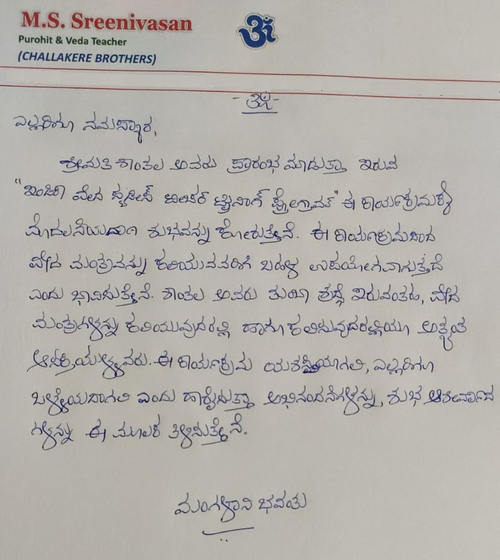
Blessings from The Challakere Brothers:
"Greetings to everyone,
I would like to congratulate Mrs. Shantala on launching the Indica - Veda Studies Teacher Training Program. I sincerely believe that this program will be of great value to those learning. Shantala is a diligent student and teacher of Veda. I wholeheartedly bless this program and wish that it may benefit all those who participate.
May everyone be blessed."
Monthly Curriculum
Orientation program
Welcoming session for participants
Friday 08 September 2028
4.00pm - 5.00pm Brussels time
Welcome note by Hari Kiran Vadlamani
Course overview by Shantala Sriramaiah
September 2028
Gaṇapati
Dates: 16, 17 = 4 hours
Friday 22 September = 1 hour
Stotram: Gaṇapati stotram & Prātaḥ smaraṇam
Theory: Stotra-sāhitya: history, place in the tradition, the formal genres (stotram, stuti, aṣṭakam, kavacam, triśati, sahasranāma).
Wider stotra tradition (introduce, not learn): Saṅkaṭanāśana Dvādaśanāma, Vināyaka stuti, Gaṇeśa Pañcaratna
.
October 2028
The Guru
Dates: 14, 15 = 4 hours
Friday 20 October = 1 hour
Stotram: Gurustotram
Theory: Ādi Śaṅkara: life, journey, maṭha tradition, his stotra corpus and philosophical positioning.
Wider stotra tradition (introduce, not learn): Manīṣāpañcakam, Guru Pādukā Stotram, Guruvaṣṭakam
November 2028
Sūrya / Rāma
Dates: 18, 19 = 4 hours
Friday 24 November = 1 hour
Stotram: Āditya Hṛdayam
Theory: Introduction to Itihāsa: the two epics, narrative essentials, where stotras live within Itihāsa
Wider stotra tradition (introduce not learn): Sūrya Aṣṭakam, Sūryamaṇḍala Stotram, Ravi in Navagraha & 108 names, Na tatra sūryo bhāti
December 2028
Hanumān / Rāma
Dates: 09, 10 = 4 hours
Friday 15 December = 1 hour
Stotram: Hanumān Stuti & Rāmarakṣā Stotram
Theory: Rāmāyaṇa overview, anuṣṭubh chandaḥ as its meter.
Wider stotra tradition (introduce not learn): Saṅkaṭamocana Hanumān Aṣṭakam, Śrīrāmacandrastavaḥ, Sudarakāṇḍa pārāyaṇa.
January 2029
Śiva
Dates: 13, 14 = 4 hours
Friday 19 January = 1 hour
Stotram: Śivamānasa Pūja & Liṅgāṣṭakam
Theory: Purāṇa literature: the corpus, the eighteen Mahāpurāṇas, pañca-lakṣaṇa structure
Wider stotra tradition (introduce not learn): Bilvāṣṭakam, Śiva Tāṇḍava Stotram, Vedasāra Śiva Stotram, Śivānanda Lahiri.
February 2029
Śiva (Dakṣiṇāmūrti)
Dates: 10, 11 = 4 hours
Friday 16 February = 1 hour
Stotram: Śivapañcākṣara & Dakṣiṇāmūrti Stotram
Theory: The Śiva Purāṇa: structure, contents, key narratives
Wider stotra tradition (introduce not learn): Ardhanārīśvara Stotram, Śivabhujaṅga stotram, Dvādaśajyotirliṅgastotram.
March 2029
Annapūrṇā & Lakṣmī
Dates: 10, 11 = 4 hours
Friday 16 March = 1 hour
Stotram: Annapūrṇa Stotram & Mahālakṣmī Aṣṭakam.
Theory: The Skanda Purāṇa and the Padma-purāṇa tradition.
Wider stotra tradition (introduce not learn): Kanakadhārā Stotram, Prasannavaradā Śrī Lakṣmī stotram,
April 2029
Lalitā
Dates: 14, 15 = 4 hours
Friday 20 April = 1 hour
Stotram: Lalitā TriśatI
Theory: Devī Bhāgavata, Mārkaṇḍeya Purāṇa, the wider Devī textual tradition.
Wider stotra tradition (introduce not learn): Lalitā Pañcaratnam, Saundaryalaharī, Tripurasundarī Aṣṭakam
May 2029
Devī
Dates: 12, 13 = 4 hours
Friday 18 May = 1 hour
Stotram: Devī Kavacam
Theory: The Devī Māhātmya: structure, stories, place in living practice
Wider stotra tradition (introduce not learn): Argalā Stotram, Kīlaka Stotram, Mahiṣāsuramardini Stotram
June 2029
Narasimha
Dates: 09, 10 = 4 hours
Friday 15 June = 1 hour
Stotram: Narasiṃha Kavacam
Theory: The Bhāgavata Purāṇa: structure, the avatāra principle, storytelling for teachers.
Wider stotra tradition (introduce not learn): Daśāvatāra Stotram, Acyutāṣṭakam, Madhurāṣṭakam (Bhakti literature).
July 2029
Presentations & closing
Dates: 14, 15 = 4 hours
Friday 20 July = 1 hour
Stotram: Presentations by students
Exam: Individual evaluations.
Community event: Presentations by students
Course fee
► €2497 one-time fee
► €899 × 3 instalments
► €299 × 9 monthly payments
A non-refundable deposit of €250 is required to confirm your enrollment.
This amount will be deducted from the final fee at the time of payment.
Veda Studies will offer five (partial) scholarships – you will have the opportunity to indicate your requirement in the application process.
Resources
During this course you get access to the following resources
All Zoom classes recorded and permanent access in course area.
Use of Veda Studies student workbook – Permission to incorporate these texts into your future classes, subject to specific copyright guidelines.
NEW: Comprehensive Teacher's Guide
Private discussion area in the course.
Post program community, forum, events for ongoing support and continuing education eligibility.
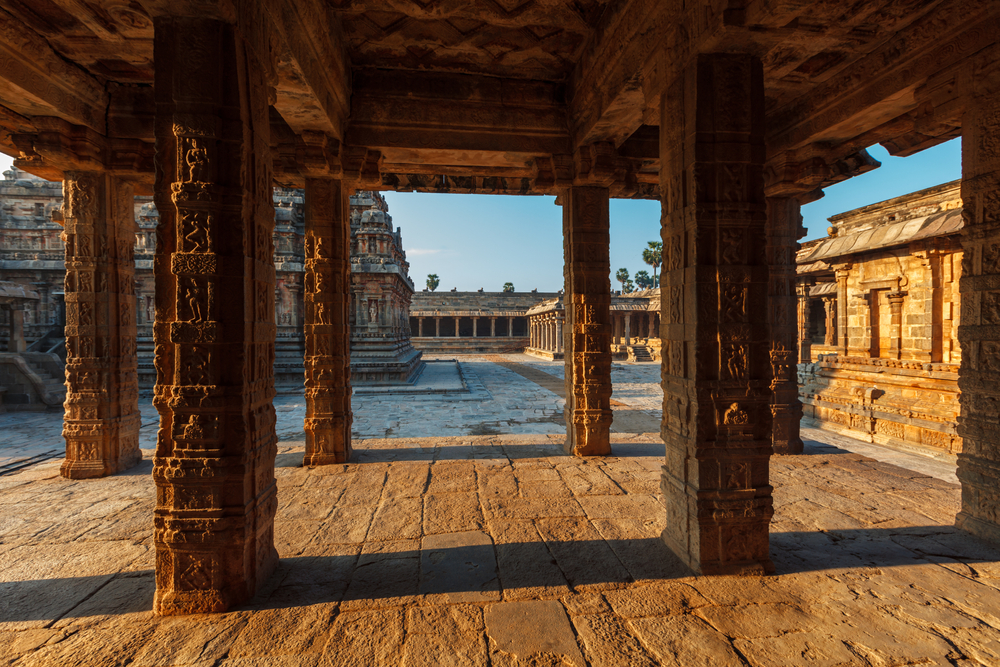
For who is this course?
This course is for:
✓ Those who have certified Level 1 certification.
✓ Teachers who have already have working knowledge of the 15 stotram-s.
✓ Teachers who wish to gain mastery on the chanting rules.
✓ Teachers who wish to deepen their skills and/or wish to teach these chants.
This course is not for:
❌ Students who have not completed our main Teacher certification.
❌ Those new to these hymns.
❌ Those unable to make time for live classes (80% attendance is required)
❌ Those who have not studied previously with Shantala.
Future teacher trainings
Continuing and more training may be planned in the future for teachers, but they will require levels 1 & 2 or the Nitya Stotram Certification to qualify.
1. Lalitā Sahasranāma, Viṣṇu Sahasranāma, Bhagavad Gītā (Level1 & Stotram TTC required)
2. Jyotiṣa chants – Navagraha, Nakṣatra Sūktam & Āśīrvāda mantrāḥ (Level 1 & 2)
3. Aruṇa praśnaḥ for teachers (Level 1 & 2)
4. Daśa-śantayaḥ for teachers (Level 1 & 2)
5. Ṛgveda sūktam-s (Level 1 & 2)
Your teacher
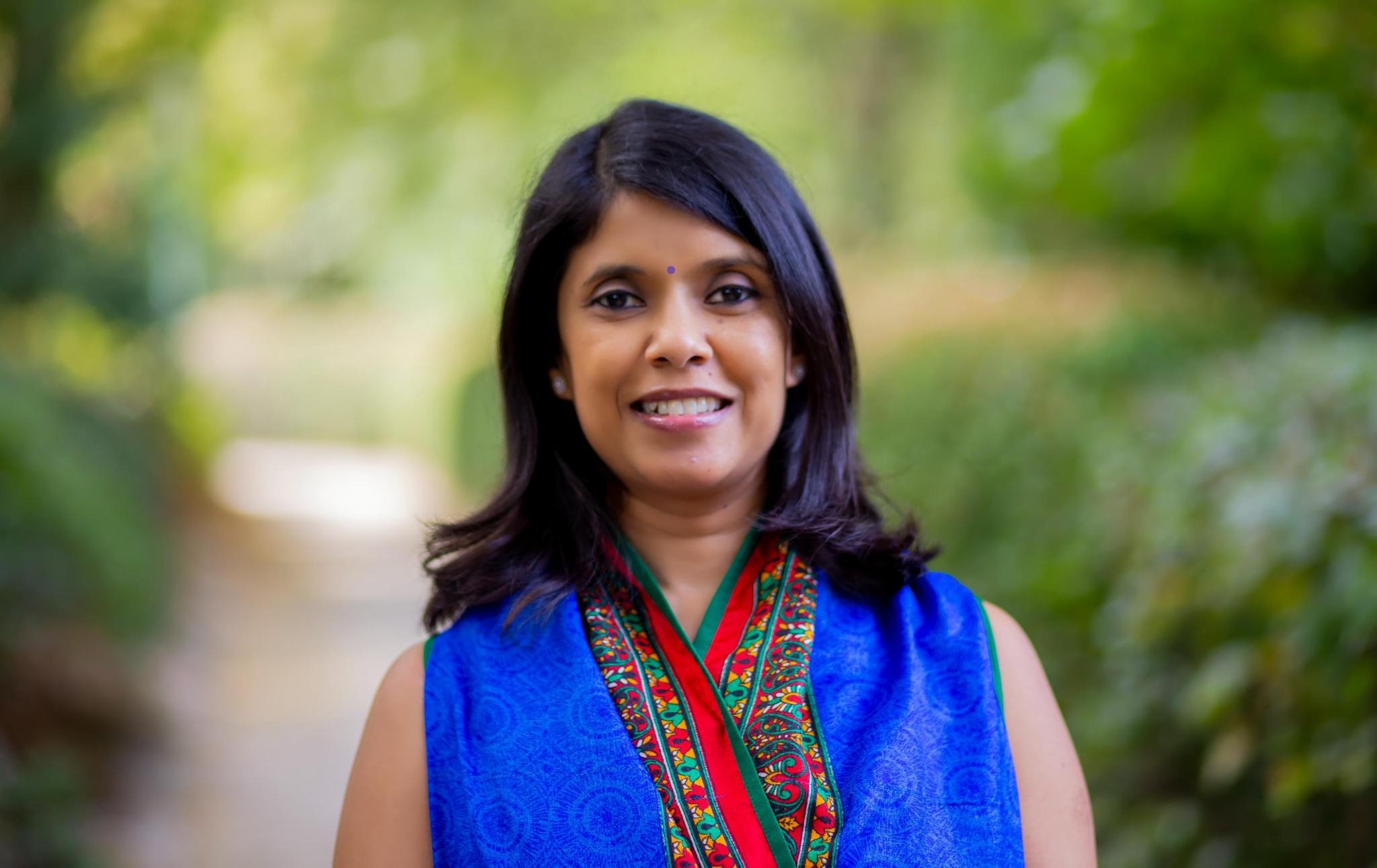
The course is developed and taught by Shantala Sriramaiah, born and raised in Bangalore, India. She studied Sanskrit and chanting from an early age, as part of her family tradition as well as in school.
Much of her inspiration comes from her mother Saroja, who taught chanting classes in their family home for over 30 years. She continues studies with various Vedic scholars and pundits, including Guruji M.S. Sreenivasan from the Challakere Brothers, and brings all their teachings to these courses.
Apply in 2027
If you have read all the above information carefully and believe you qualify and are motivated to dedicate yourself for 9-months to certify this Stotram chanting teacher training program, we would love to hear from you from September 2027.
© Veda Studies SAGL - 2026